Healthy eating becomes easier when nutritious food fits naturally into everyday life. Between work, family responsibilities, school, and other activities, finding time to prepare fresh meals and snacks can sometimes be difficult. Smoothies offer a practical solution by combining fruits, vegetables, and other ingredients into convenient drinks that can be prepared at home or purchased in ready-to-use packaging.
Smoothiepussit is a term associated with smoothie pouches, particularly convenient, portable packages containing blended fruit and other nutritious ingredients. The term is also used in Finnish food and packaging contexts, where smoothie pouches are sold as individual servings and categorized separately from traditional bottled drinks. These products make it easier to enjoy fruit-based refreshments without preparing a smoothie from scratch every time.
However, the benefits of Smoothiepussit go beyond convenient packaging. The ingredients inside a smoothie determine its nutritional value, including its fiber, protein, vitamins, minerals, carbohydrates, and added sugar content. A pouch containing whole-fruit ingredients and suitable nutritional additions can be a useful snack, while a product containing mostly sweetened fruit puree may offer a different nutritional balance.
Quick Facts About Smoothiepussit
| Detail | Information |
|---|---|
| Term | Smoothiepussit |
| General Meaning | Smoothie bags or pouches |
| Language Connection | Finnish |
| Main Category | Convenient smoothie products |
| Common Ingredients | Fruits, berries, vegetables, oats, and other blended foods |
| Available Formats | Ready-filled pouches, reusable pouches, and prepared ingredient packs |
| Common Uses | Breakfast additions, snacks, travel, and everyday refreshments |
| Main Nutritional Considerations | Fiber, protein, natural sugars, added sugars, and portion size |
| Preparation | Ready-to-eat or homemade |
| Storage | Depends on packaging, ingredients, and manufacturer instructions |
What Does Smoothiepussit Mean?
Smoothiepussit generally refers to smoothie pouches or bags used to package, store, and carry blended fruit-based drinks. The term connects the English word smoothie with the Finnish word pussit, meaning bags or pouches. Its meaning is therefore closely associated with the packaging and convenient consumption of smoothies rather than a particular nutritional formula.
The term has a real connection to Finnish food packaging. Helsinki Region Environmental Services (HSY) includes smoothiepussi among its search terms for smoothie packaging and explains that smoothie pouches are sorted as plastic packaging in Finland. This demonstrates that the word is used in a practical packaging context, not only in online wellness discussions.
Commercial examples also exist. Raisio Food Solutions’ 2026 product catalogue lists Elovena smoothie pouches in 120-gram portions and describes a product range containing 70–80% fruit and berries, with no added sugar and high fiber. These details apply to the specific products in that catalogue, not every smoothie pouch available on the market.
Different Types of Smoothiepussit and Their Uses
Ready-filled smoothie pouches are one of the most recognizable formats. They contain an already prepared smoothie or fruit-based mixture inside a sealed package, usually with a small opening or cap. These products are designed for convenience and can be useful when someone wants a quick snack without carrying a blender, glass, or separate ingredients.
Reusable smoothie pouches provide another option for people who prefer preparing drinks at home. They can be filled with homemade fruit smoothies, vegetable blends, yogurt mixtures, or suitable purees, depending on the manufacturer’s instructions. Their refillable design allows users to control the ingredients, adjust serving sizes, and reduce reliance on disposable packaging.
Pre-portioned smoothie ingredient packs are slightly different because they contain ingredients that still need to be blended. These packs commonly include measured portions of frozen fruit, vegetables, and other additions. Although they are not finished smoothie pouches, they offer a similar convenience by reducing the time required for washing, cutting, and measuring ingredients.
Why Smoothiepussit Is a Convenient Choice for Daily Nutrition
Convenience is one of the main reasons smoothie pouches are useful in modern eating routines. Preparing a smoothie traditionally involves washing produce, cutting ingredients, measuring portions, blending everything, and cleaning the equipment afterward. Ready-filled pouches remove many of these preparation steps, making them practical for people with limited time.
Portability is another advantage. A properly sealed pouch can be easier to carry than a glass or an open container, particularly during commuting, travelling, school activities, or outdoor trips. Individual portions can also help people plan snacks in advance and avoid preparing unnecessarily large quantities.
Smoothie pouches can make nutritious foods more accessible, but convenience should not be confused with guaranteed health benefits. A packaged smoothie is only as nutritious as its ingredients, and a pouch containing mostly sweet fruit puree may not provide the protein or variety found in a more balanced homemade recipe. Checking the ingredients and nutrition label remains essential.
What Makes a Smoothiepussit Healthy?
A healthy smoothie should provide more than a pleasant flavor or attractive color. Whole fruits and vegetables can supply fiber, vitamins, minerals, and naturally occurring plant compounds that contribute to dietary variety. Blending whole fruit generally retains much of its fiber, provided the mixture is not strained afterward.
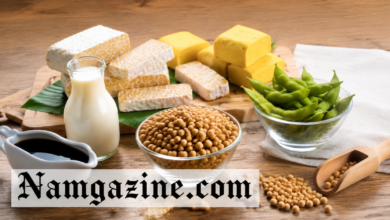
Protein and healthy fats can make a smoothie more nutritionally balanced and satisfying. Ingredients such as Greek yogurt, milk, soy milk, tofu, chia seeds, flaxseed, and nut butter can contribute these nutrients. The appropriate combination depends on whether the drink is intended as a light snack, a breakfast addition, or a more substantial meal.
Added sugar and portion size also deserve attention. A product labeled as having no added sugar may still contain naturally occurring sugars from fruit, while some commercial smoothies include sweetened yogurt, juice concentrates, or syrups. A useful approach is to compare serving sizes, total sugars, added sugars, fiber, and protein rather than judging a product by its packaging or marketing claims alone.
Best Ingredients for Nutritious Smoothiepussit Recipes
Fruits and berries form the foundation of many smoothie recipes. Strawberries, blueberries, raspberries, bananas, mangoes, apples, and pineapple provide different flavors and nutrients, making it easy to create a variety of combinations. Fresh and unsweetened frozen fruits can both work well, depending on the desired texture and availability.
Vegetables can add nutritional variety without making every smoothie taste like a salad. Spinach, kale, cucumber, carrots, and cooked sweet potatoes are commonly used because they blend well with fruit. Spinach has a relatively mild flavor, while ingredients such as carrot and mango can create a naturally sweet combination.
Protein, fiber, and healthy fats help complete the ingredient combination. Plain Greek yogurt, unsweetened soy milk, oats, chia seeds, ground flaxseed, avocado, and natural peanut butter are useful choices. Selecting ingredients from different food groups can create a more balanced drink than relying exclusively on fruit and fruit juice.
How to Build a Balanced Smoothiepussit
A practical smoothie formula begins with a liquid base, a fruit selection, and a vegetable addition. The U.S. Department of Veterans Affairs provides a balanced-smoothie framework using approximately half a cup of liquid, one cup of fruit, and half a cup of vegetables for two servings, followed by suitable protein and healthy-fat or fiber additions. The quantities can be adjusted according to the blender, ingredients, and desired consistency.
Protein can come from Greek yogurt, cottage cheese, silken tofu, milk, soy milk, or an appropriate protein powder. Healthy fats and fiber can be added through chia seeds, ground flaxseed, nuts, nut butter, or avocado. These ingredients help create a more complete nutritional profile, particularly when the smoothie is intended to serve as a substantial snack or breakfast.
The final step is controlling the serving size and checking the overall combination. Adding several fruits, large amounts of nut butter, sweetened yogurt, and additional sweeteners can increase the energy content considerably. A balanced recipe should match personal dietary requirements rather than simply containing as many ingredients as possible.
Easy and Healthy Smoothiepussit Recipes to Try
Berry and Greek Yogurt Smoothie: Blend one cup of mixed strawberries and blueberries with half a cup of plain Greek yogurt and a small amount of milk. Add a teaspoon of chia seeds if desired, then blend until smooth. This combination provides fruit, fiber, and protein without requiring added syrup or refined sweeteners.
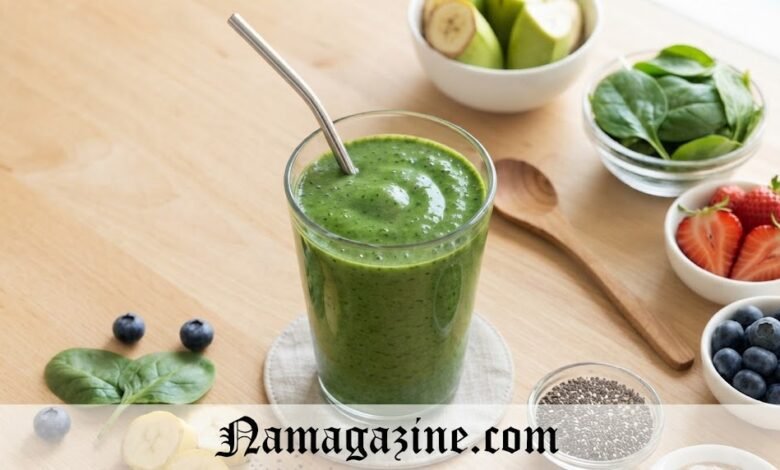
Green Mango Smoothie: Combine half a cup of mango, one small banana, a handful of spinach, and half a cup of unsweetened soy milk or water. Blend thoroughly until the leafy vegetables are fully incorporated. Mango and banana provide natural sweetness, while spinach introduces additional vegetable variety.
Banana, Oat, and Peanut Butter Smoothie: Mix one banana, two tablespoons of rolled oats, one tablespoon of natural peanut butter, and half a cup of milk. Blend until creamy and adjust the liquid according to the desired thickness. This combination includes carbohydrates, fiber, protein, and fats, making it a more substantial option.
Tropical Fruit Smoothie: Blend mango, pineapple, plain yogurt, and a little water or unsweetened milk for a refreshing fruit-based drink. Frozen fruit can create a thicker consistency without requiring extra ice. For a dairy-free version, use unsweetened soy or another suitable plant-based alternative.
Are Ready-Made Smoothie Pouches a Healthy Option?
Ready-made smoothie pouches can be convenient, particularly when they contain recognizable fruit and vegetable ingredients without unnecessary sweeteners. Some commercial products also include oats or other ingredients that contribute fiber. However, the nutritional profile varies considerably between brands and recipes, so comparing products is more useful than assuming all pouches are equally healthy.
One example comes from Elovena’s smoothie range listed in Raisio Food Solutions’ product catalogue. Its 120-gram pouch products include blueberry and raspberry, peach and banana, and mango and pineapple flavors. The 2025 catalogue describes these particular products as having no added sugar or sweeteners and being suitable for convenient consumption outside the home.
Even when a product contains no added sugar, consumers should still examine its nutrition information. Fruit naturally contains sugars, and a fruit-based pouch may provide relatively little protein compared with a smoothie containing yogurt, milk, or soy. Choosing the right product therefore depends on its ingredients, serving size, nutritional needs, and intended use.
Smoothiepussit for Children, Adults, and Active People
Smoothie pouches can be a practical snack option for families because they are portable and available in individual portions. Parents can also prepare homemade versions using suitable fruits, vegetables, and other ingredients. For children, it is important to select age-appropriate products, check allergy information, and maintain a varied diet that includes whole foods with different textures.
Adults may find smoothie pouches useful during commuting, work breaks, or travel. A fruit-based pouch can provide a convenient snack, while a homemade version containing yogurt, oats, or seeds may offer a wider nutritional combination. The best choice depends on whether someone needs a light refreshment or a more substantial option between meals.
People who exercise may also use smoothies as part of their food routine. A combination of carbohydrates and protein can be useful around physical activity, although individual requirements differ. People managing diabetes, kidney conditions, food allergies, or other medical dietary restrictions should consider professional nutrition advice before making major changes to their usual diet.
How to Prepare Homemade Smoothiepussit at Home
Preparing homemade smoothie pouches begins with choosing fresh or frozen ingredients and deciding how much each portion should contain. Wash fruits and vegetables properly, remove unwanted portions, and cut larger ingredients into manageable pieces. If you are preparing several portions, organize the ingredients before blending to make the process more efficient.
Blend the ingredients with an appropriate liquid base until the texture is smooth enough to pass through the pouch opening. Avoid making the mixture excessively thick or adding ingredients that could block the spout. Once prepared, transfer the smoothie into a clean, food-safe reusable pouch using the filling method recommended by the manufacturer.
Seal the pouch securely and store it according to the ingredients and packaging instructions. Homemade smoothies containing fresh produce, milk, or yogurt normally require refrigeration, while freezing should only be done in containers specifically designed for freezer use. Preparing individual portions can make everyday planning easier without compromising ingredient control.
Proper Storage and Food Safety for Smoothie Pouches
Food safety begins before the smoothie is prepared. Wash hands, utensils, blender parts, and work surfaces, and rinse fresh fruits and vegetables under clean running water. Reusable pouches should also be washed thoroughly after every use, paying attention to caps, spouts, seams, and narrow corners where leftover food can collect.
Homemade smoothies containing perishable ingredients should be refrigerated promptly. The U.S. Food and Drug Administration recommends that foods requiring refrigeration should not remain at room temperature for more than two hours, or one hour when the surrounding temperature is above 90°F (32°C). Refrigerators should be kept at or below 40°F (4°C), and freezers at 0°F (-18°C).
Commercially packaged smoothies may have different storage requirements because some are processed and sealed for room-temperature storage. Never assume that every pouch is shelf-stable simply because it has a cap or sealed packaging. Follow the manufacturer’s storage instructions, refrigerate products after opening when required, and discard food that has been handled or stored unsafely.
How to Choose the Right Smoothiepussit Pouch
The first consideration when choosing a smoothie pouch is whether it is designed for the intended type of food and storage method. A ready-filled commercial pouch, a reusable squeeze pouch, and a freezer-safe ingredient container serve different purposes. Checking the manufacturer’s product description can help prevent problems with leakage, unsuitable temperatures, or difficult cleaning.
For reusable options, examine the material, opening size, cap design, sealing mechanism, and cleaning instructions. A pouch with a wide opening may be easier to fill and wash, while a secure closure can help prevent spills during transport. If you intend to freeze prepared smoothies, confirm that the pouch is specifically suitable for freezing and follow its filling instructions.
For ready-made products, ingredient quality and nutrition information should guide the purchase. Compare the fruit content, added sugars, fiber, protein, serving size, allergens, and storage instructions. A recognizable ingredient list and clear nutritional information are more useful indicators than attractive packaging or broad health-related marketing claims.
Environmental Impact of Smoothie Pouches
Packaging is another factor worth considering when choosing Smoothiepussit products. Single-use pouches provide convenience but create packaging waste after the contents have been consumed. Their environmental impact depends on the packaging material, manufacturing process, collection system, and whether the material can actually be recycled in the local area.
Reusable smoothie pouches can reduce the need for repeated disposable packaging when they are durable and used regularly. However, they still require water and cleaning products for washing, and their overall environmental value depends on how long they remain usable. Selecting a well-designed pouch and following its care instructions can help extend its useful life.
Recycling instructions should always be checked locally because collection systems differ between countries and municipalities. For example, Helsinki Region Environmental Services in Finland instructs residents to sort smoothie pouches into plastic packaging collection. That guidance applies to its local recycling system and should not automatically be assumed to apply everywhere.
Common Smoothiepussit Mistakes to Avoid
One common mistake is assuming that a smoothie pouch is healthy simply because it contains fruit. Some products may include concentrated juice, sweetened ingredients, or relatively small amounts of protein and fiber. Reading the ingredient list and nutrition panel helps distinguish between different products and prevents misleading assumptions based on front-of-package claims.
Another mistake is adding too many ingredients without considering their combined nutritional value. Large quantities of fruit, nut butter, sweetened yogurt, honey, and other additions can turn a small snack into a much more energy-dense drink. Balanced portions and a suitable combination of food groups are more important than making the recipe complicated.
Poor storage and cleaning practices can also create problems. Leaving homemade smoothies in warm conditions, using unclean reusable pouches, or ignoring manufacturer instructions can increase food-safety risks. Preparing manageable portions, refrigerating perishable drinks promptly, and cleaning containers thoroughly help make smoothie preparation safer and more practical.
Conclusion
Smoothiepussit represents a convenient approach to enjoying smoothies through ready-filled packages, reusable pouches, and organized smoothie preparation. Its connection with Finnish smoothie packaging gives the term a practical meaning, while its growing online use brings attention to portable food options and everyday nutrition. Understanding the different pouch formats helps consumers distinguish between packaged drinks, homemade smoothies, and ingredient packs.
The real nutritional value of any smoothie depends on what goes inside it. Whole fruits, vegetables, suitable protein sources, fiber-rich ingredients, and unsweetened liquid bases can create more balanced drinks than combinations relying mainly on fruit juice and sweeteners. Checking product labels and controlling portions are equally important when choosing ready-made options.
With proper preparation, safe storage, and thoughtful ingredient selection, Smoothiepussit can fit into a practical daily eating routine. Whether you choose a commercial smoothie pouch or prepare your own at home, the best approach is to focus on food quality, nutritional balance, convenience, and variety rather than relying on packaging or marketing claims alone.
FAQ’s
What exactly does Smoothiepussit mean?
Smoothiepussit is associated with smoothie bags or pouches and is used in Finnish food-packaging contexts. It generally describes convenient packages containing prepared smoothies rather than a specific diet, medical treatment, or nutritional formula.
Is Smoothiepussit a real product or a brand?
The term is used descriptively for smoothie pouch products, but it does not identify one exclusive international brand. Different manufacturers sell their own smoothie pouches, and their ingredients, sizes, packaging, and storage requirements can vary.
Are Smoothiepussit healthy for everyday consumption?
They can be part of a balanced eating routine when the ingredients and portions are appropriate. Products containing whole-fruit ingredients and suitable amounts of fiber can be useful, but consumers should check added sugars, protein, serving sizes, and other nutritional details.
Can I make Smoothiepussit at home?
Yes. Homemade smoothies can be transferred into reusable food-safe pouches designed for the purpose. You can control the ingredients, adjust the consistency, and prepare individual portions, provided the pouches are cleaned and stored correctly.
Can smoothie pouches be frozen?
Some reusable pouches are designed for freezer storage, but not all packaging is suitable for freezing. Check the manufacturer’s instructions before freezing, leave any required expansion space, and thaw perishable smoothies safely in the refrigerator.
Are smoothie pouches suitable for children?
They can be a convenient snack when the ingredients and packaging are appropriate for the child’s age and dietary needs. However, they should complement rather than replace a varied diet containing whole fruits, vegetables, and foods with different textures.
Do smoothie pouches contain added sugar?
Some products contain added sweeteners, while others are made without added sugar. Even products labeled as having no added sugar can contain naturally occurring sugars from fruit, so checking the full nutrition label is important.
How long can a homemade smoothie pouch stay outside the refrigerator?
Homemade smoothies containing perishable ingredients should not be left at room temperature for more than two hours, or one hour when the temperature is above 90°F (32°C). Use an insulated bag with a cold pack when carrying them for longer periods.